There was a significant increase in online sexual exploitation of children and youth during the COVID-19 pandemic and it has continued to rise because of:
- Technological advancements such as AI-powered image and video generation tools.
- Perpetrator use of social media, online gaming, and messaging. End-to-end encrypted messaging apps such as Telegram, WhatsApp, and Signal are also commonly used by perpetrators to commit crimes without fear of detection.
- The increasing use of technology by young people for social interaction, exploring their sexuality, and finding romantic connections.
- Challenges with identifying, investigating and prosecuting online child sexual exploitation offences. For example, data are often purposely stored in jurisdictions with strict privacy laws, making police access more complex.
In 2025, there were 28,000 reports of online child sexual exploitation made to Cybertip.ca. And, between 2022 and 2025, there was a 125% increase in Cypertip reports of sexually explicit deepfake images and videos of children.
What is sexual exploitation?
Sexual exploitation is the manipulation of children or youth by someone in a position of trust or authority to perform a sexual act in exchange for money, drugs/alcohol, shelter, food, transportation, love, acceptance and/or protection.
Examples of online child sexual exploitation include: the creation of child sexual abuse material, the non-consensual distribution of explicit images/videos, sextortion, and using AI to create sexually explicit deepfakes and deepnudes.
Even though the majority of victims of police-reported online child sexual offence are girls, sexual exploitation can happen to anyone of any age, ethnicity, gender, religion, income level, or sexual orientation.
Most online sexual exploitation perpetrators are people who children and youth know including family members, intimate partners and peers. A recent research study found that only 32% of online perpetrators were strangers to their victims and 44% of identified perpetrators were under the age of 18.
Perpetrators develop relationships with children and youth using strategies including deception (e.g., lying about age or shared interests), gift giving (e.g., jewellery, cell phones, pets), and giving compliments, attention and affection over weeks, months or even years. These grooming tactics prepare the child/youth for exploitation by gaining their trust and gradually normalizing sexualized behaviour.
Children of the Street: a provincial program focused on prevention
Children of the Street is dedicated to preventing the sexual exploitation and human trafficking of children and youth in BC. Its work focuses on public awareness, education and early intervention strategies.
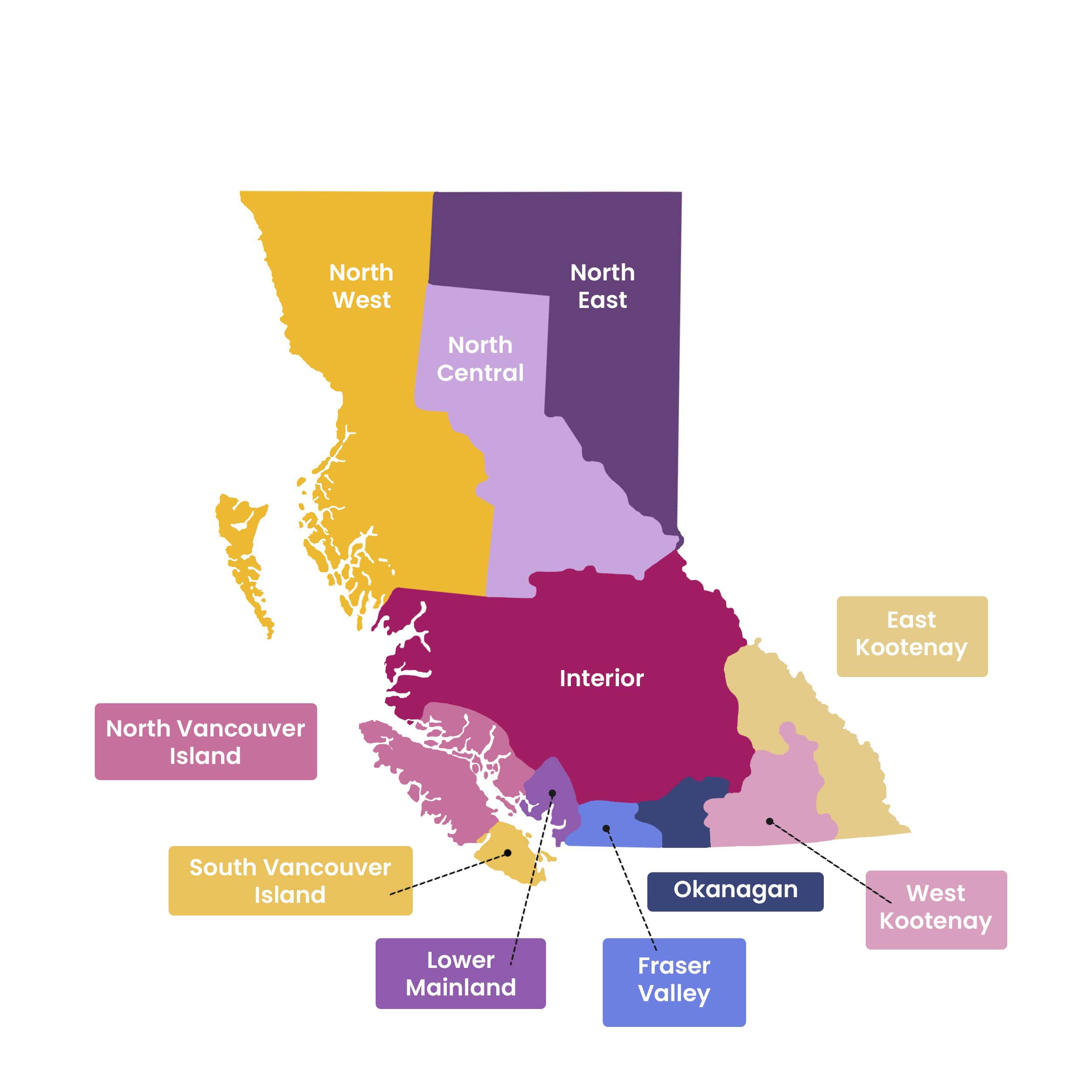
Children of the Street was founded in 1995 by a group of parents in BC’s Lower Mainland, all of whom were personally affected by child sexual exploitation. Because of the lack of public education and awareness, their primary focus was prevention.
Children of the Street’s Program Manager Neely Yuda explains, “It’s a hidden crime that thrives in the dark; so if you want to be able to address it as a society, first you have to ensure that people know about it. [The founding parents] also recognized how hard it is to help someone exit once they have been exploited and the lifelong implications that the survivor/victim will have to deal with. If we can prevent exploitation and trafficking from even starting, that’s the best thing we can do.”
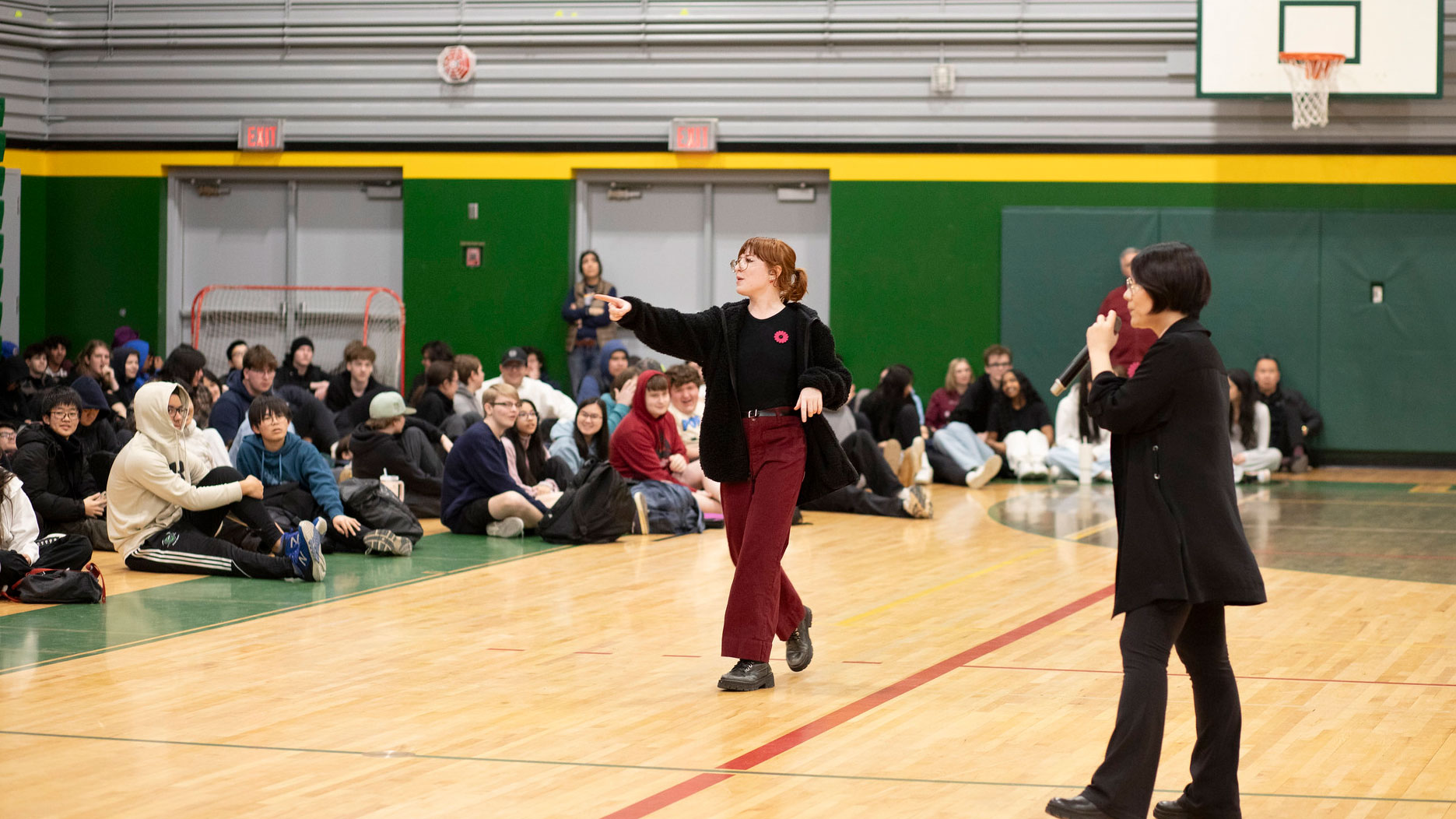
Children of the Street provides over 500 free workshops every year in BC schools for over 25,000 kids in grades 4 to 12. “Our workshop facilitators are very accessible and approachable for children and youth,” said Neely, “And through these workshops, they regularly receive disclosures from youth who are sharing that something has happened to them and are asking for help.”
The program also offers workshops for adults that focus on how to keep young people safe online with topics including: app literacy, what online child sexual exploitation looks like, and how to talk to kids about this issue.
Neely shared that they have a presentation for service providers called It Can Happen to Anyone, focused on understanding the landscape of child sexual exploitation in BC. This year they launched a new training, Human Trafficking 101, a competency-based course for CARF-accredited social services.
Support for parents and service providers
“Sexual exploitation is very isolating. Many parents whose child is facing this [issue] are feeling very judged, feeling that people don’t understand them and that there’s nobody to talk to,” said Neely. “Even when they seek professional help, many times the professionals don’t know specifically how to address this issue.”
She continued, “The parents or the caregivers are a constant presence in the child’s life, and they can be there to support the child, so we’ll work with them and provide both emotional support and guidance.”
Children of the Street provides sexual exploitation and human trafficking consultation and referral services for parents and service providers throughout the province. It connects parents/service providers to workers who support exploited youth in their community and offers national resources such as the National Human Trafficking Hotline or Cybertip. “We also give advice,” said Neely. “Sometimes it’s about working with the parents or working with the child’s care team and sharing our expertise. They’re always welcome to call us.”
Resources
“Technology is changing rapidly, and there are new apps and new platforms coming out all the time that we can’t keep up with,” she said. “But if people know the red flags or the warning signs of exploitation, they can talk to children about them. The most important thing is just to talk to children about this issue, so that it’s not taboo, and so that they feel that if something does happen to them, if they feel uncomfortable online, if they feel unsafe, that they can come to you and talk about it, and that you’ll figure it out together.”
For more information, see Children of the Street’s resources for youth, parents and services providers:
- How to talk to kids about online sexual exploitation
- Tips for recognizing and supporting exploited youth
To contact Children of the Street, call (604) 777-7510 or 1 (877) 551-6611, or email info@childrenofthestreet.com.