Changing workplace culture takes more than getting people in the door. It takes action from people already there.
For the BC Centre for Women in the Trades (BCCWITT), that meant looking beyond getting more women into the skilled trades and focusing on what would help them stay and build long-term careers. It also meant finding practical ways to help tradespeople take action when they witness inappropriate behaviour.
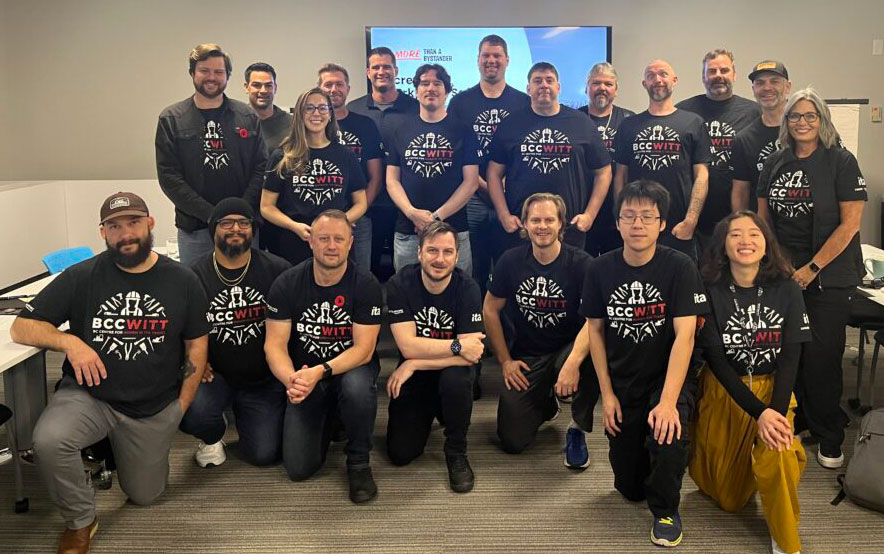
That’s where Be More Than a Bystander came in. EVA BC partnered with BC Centre for Women in the Trades (BCCWITT) in 2018 to develop a trades-specific curriculum that would bring the simple but powerful Be More Than a Bystander program developed for high school students into male-dominant workplaces.
Changing Workplace Culture
Tammy-Lee Hawkins is Director of Programs for BCCWITT and she reflects on the partnership and the impact of the program.
“I think celebrating 15 years of the program is a wonderful opportunity to reflect on the impact this work has had,” she says. BCCWITT recognized that getting more women into the skilled trades was only part of the work. “We also needed to look at workplace culture and the things that can impact whether women are able to stay and build long-term careers in the trades.”
“One of the biggest things we have learned is that people often want to do the right thing, but they don’t always know what to say or how to step in when they witness inappropriate behaviour,” Tammy says. “Be More Than a Bystander gives people practical tools to do that, while also shifting some of the responsibility away from the person experiencing the behaviour.”
Over time, she has seen growing recognition that respectful workplace culture affects everyone. “It impacts safety, recruitment, retention and the overall health of the skilled trades.”
Turning training into action
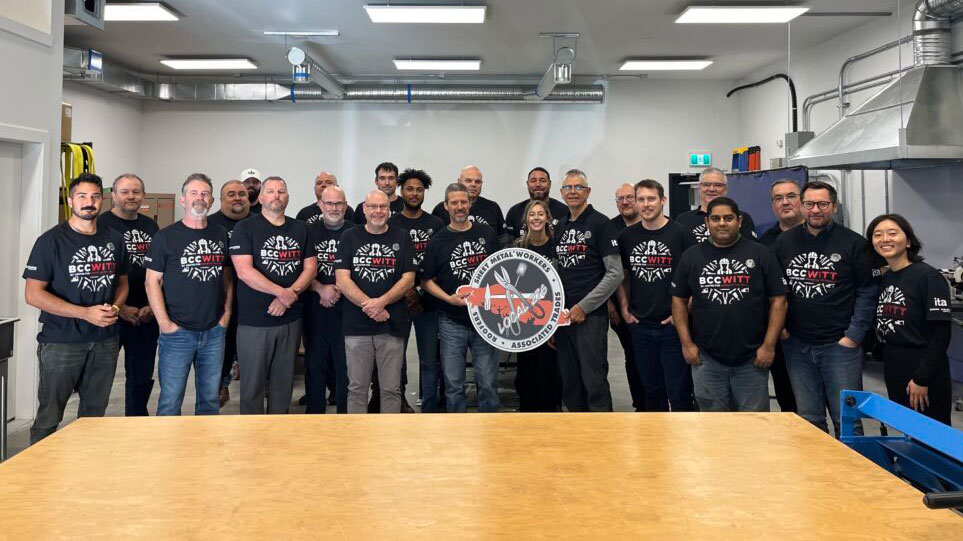
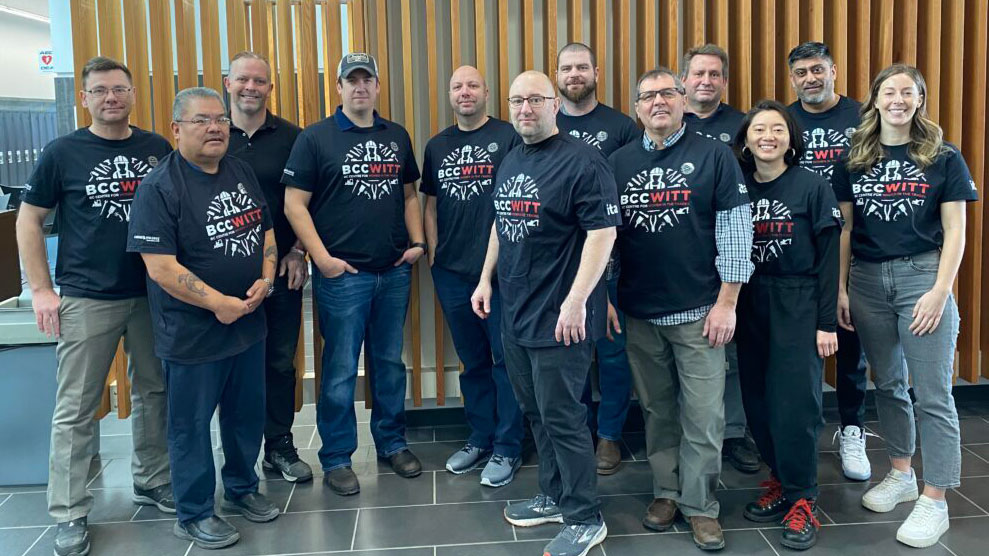
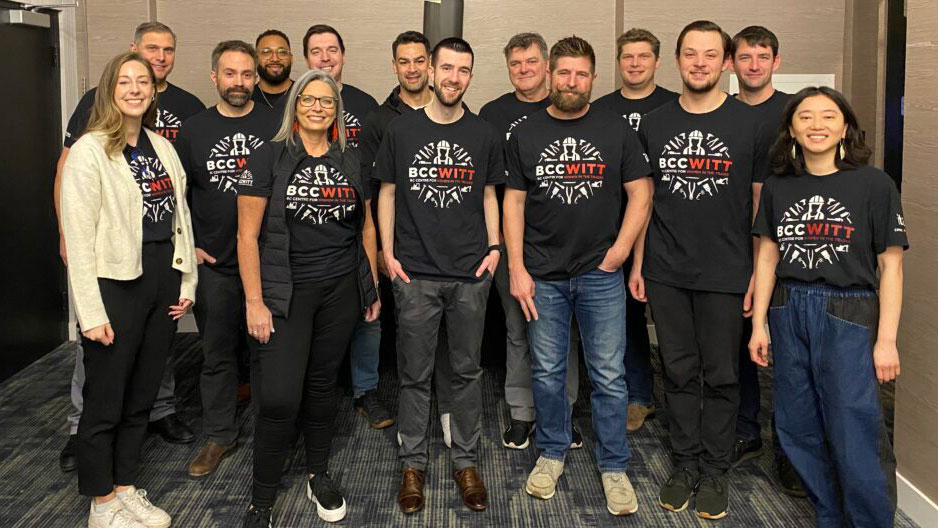
A big part of the program’s success is how it puts learning into action. The Bystander program for workplaces is a three-day “train-the-trainer” model, where worksite leaders learn about the roots of violence and how simple it can be to interrupt harmful behavior and shift workplace culture. They then can bring the training back to their own teams, helping these conversations continue on the jobsite.
To date, BCCWITT has trained 419 spokespeople.
“I think that is something worth celebrating,” says Tammy. “For me, one of the greatest signs of success has been seeing tradespeople become the ones having these conversations with other tradespeople. That peer-to-peer approach is incredibly powerful because they understand the industry, the environment and the realities of working on a jobsite.”
Building on Impact
Looking ahead, Tammy hopes to see the Be More Than a Bystander continue to grow within the skilled trades, particularly reaching people earlier in their careers.
“If apprentices are having these conversations when they first enter the industry, we have an opportunity to establish expectations around respectful workplace culture from the beginning — being more than a bystander should become something that is simply part of being a good coworker, tradesperson and leader.”